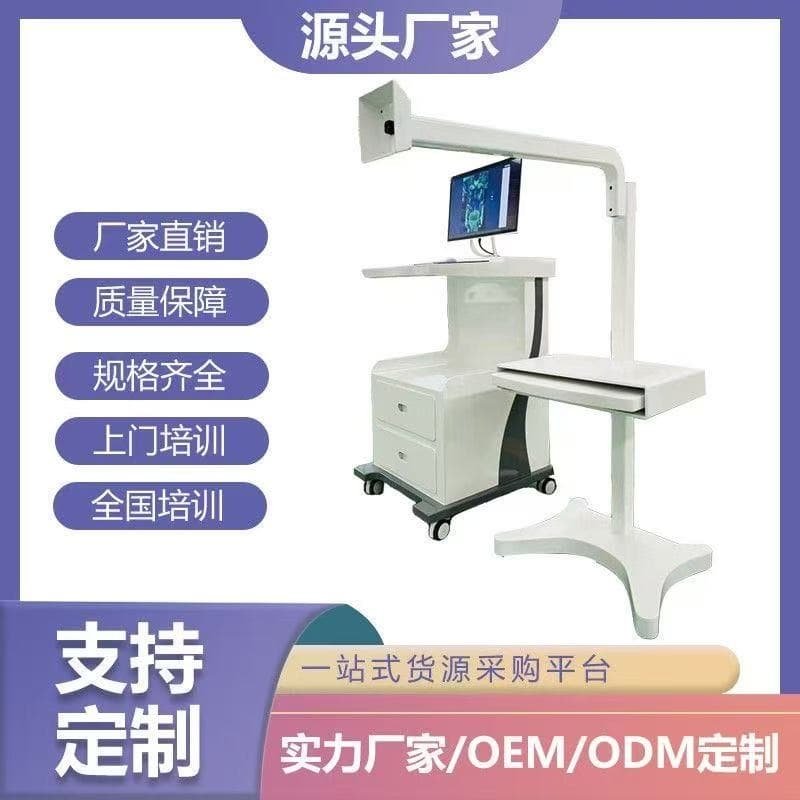
When it comes to diagnosing and monitoring health conditions, traditional tools like X-rays, CT scans, and blood tests have long been the gold standard. However, these methods have limitations—they’re often invasive, expose patients to radiation, and may not detect early disease signs. That’s where the thermal imaging detector comes in. This innovative device offers a clear advantage over traditional diagnostic tools, providing a non-invasive, accurate, and comprehensive way to assess health status.
One of the biggest advantages of the thermal imaging detector is its non-invasive nature. Unlike X-rays and CT scans, which use ionizing radiation to create images of internal structures, thermal imaging uses infrared radiation emitted by the body itself. This means no exposure to harmful radiation, making it safe for regular use. It also eliminates the need for invasive procedures like biopsies or blood draws, which can be uncomfortable and carry complication risks.
Another key advantage is the thermal imaging detector’s ability to detect early disease signs. Traditional diagnostic tools often focus on structural changes, which may not appear until a condition has advanced. Thermal imaging, however, detects functional changes in thermal patterns—changes that can occur weeks or months before structural damage is visible. This early detection enables timely intervention, significantly improving treatment outcomes and reducing complication risks.
The thermal imaging detector also provides a more comprehensive health assessment than traditional tools. While blood tests measure specific biomarkers and X-rays focus on a single bodily area, thermal imaging captures a full-body thermal profile. This allows healthcare professionals to see how different bodily systems function and identify correlations between seemingly unrelated symptoms. For example, a thermal image may reveal poor circulation in the extremities, which could link to heart disease or diabetes.
With its high sensitivity (detecting variations as small as 0.01°C), high resolution, and high accuracy, the thermal imaging detector delivers more detailed and reliable data than many traditional tools. Its high-resolution images ensure these anomalies are clearly visible, enabling precise localization and severity assessment. This level of accuracy helps reduce misdiagnoses and ensures patients receive the right treatment at the right time.
The thermal imaging detector is also more convenient and cost-effective than traditional diagnostic tools. X-rays and CT scans require specialized facilities and trained technicians, with results often taking days to process. Thermal imaging, however, can be performed in doctor’s offices, wellness centers, or even homes. Scans take just minutes, with immediate results—saving patients time and money while ensuring timely health assessments.
Measuring 1400mm (L) × 600mm (W) × 900mm (H), the thermal imaging detector is compact and portable, making it more accessible than traditional tools. It’s easy to operate, requiring minimal training, so it can be used by healthcare professionals and non-specialists alike. This accessibility makes it an ideal tool for rural areas, where access to traditional diagnostic facilities may be limited.
Traditional diagnostic tools also have limitations for monitoring chronic conditions. Blood tests show biomarker changes but don’t provide real-time functional data. X-rays and CT scans aren’t suitable for frequent use due to radiation exposure. The thermal imaging detector, however, can be used regularly to monitor thermal pattern changes, providing real-time feedback on treatment effectiveness and enabling adjustments as needed.
For athletes and fitness enthusiasts, the thermal imaging detector offers advantages over traditional injury assessment tools. While MRI scans detect structural damage, they’re expensive and time-consuming. Thermal imaging quickly identifies inflammation, muscle strain, or poor circulation, enabling early intervention and preventing injury worsening. This makes it an invaluable tool for sports medicine professionals and athletes alike.
In conclusion, the thermal imaging detector offers a clear advantage over traditional diagnostic tools. Its non-invasive nature, early detection capabilities, comprehensive assessment, high accuracy, convenience, and cost-effectiveness make it a superior choice for healthcare providers and patients. As more healthcare professionals recognize these advantages, the thermal imaging detector is poised to become the new gold standard in diagnostic and preventive healthcare.