Preventive healthcare focuses on identifying potential health issues before they become serious, enabling early intervention and treatment. This approach not only improves health outcomes but also reduces healthcare costs and enhances quality of life. One tool revolutionizing preventive healthcare is the thermal imaging detector. This advanced device provides a non-invasive, comprehensive way to assess functional health, detect early disease signs, and support proactive wellness management.
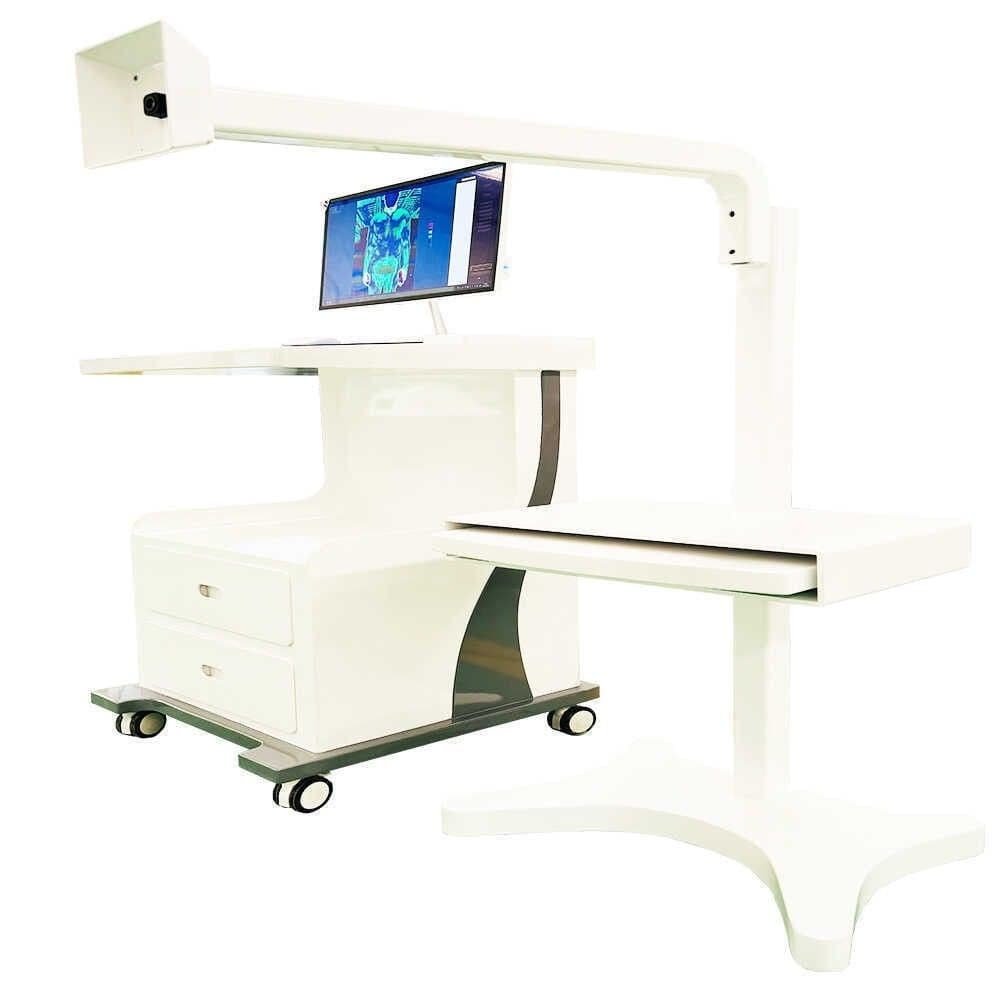
The thermal imaging detector is a full-body functional testing tool that uses infrared technology to capture the body’s thermal patterns. Unlike traditional diagnostic tools focusing on structural changes, this device provides insights into how bodily systems function at a cellular level. By converting invisible infrared radiation into detailed thermal images, it enables healthcare professionals to identify subtle temperature variations indicating inflammation, poor circulation, metabolic imbalances, or potential lesions.
One key reason the thermal imaging detector is so effective for preventive healthcare is its ability to detect early disease signs. Many chronic conditions—such as diabetes, heart disease, and cancer—develop slowly over time, with no obvious early symptoms. The detector identifies thermal pattern changes that occur long before these conditions manifest symptoms, enabling early intervention to prevent progression.
The device’s high sensitivity (0.01°C precision), high resolution, and high accuracy ensure even the smallest thermal anomalies are captured. This precision is crucial for preventive healthcare, as it allows detection at the earliest stages—when treatment is most effective. For example, the detector can identify early breast cancer signs by detecting abnormal temperature patterns in breast tissue, which may indicate tumors.
Another advantage of the thermal imaging detector for preventive healthcare is its non-invasive nature. It uses no radiation, needles, or contrast agents, making it safe for regular use. This means individuals can undergo annual or bi-annual scans to monitor health status without exposure to harmful substances or procedures—particularly important for those at high risk of certain conditions who may need more frequent monitoring.
Measuring 1400mm (L) × 600mm (W) × 900mm (H), the thermal imaging detector is designed for accessibility in various settings—including doctor’s offices, wellness centers, and preventive care clinics. Its user-friendly interface and quick scanning time make it easy to integrate into routine check-ups, ensuring convenient and efficient preventive health assessments.
The thermal imaging detector also provides valuable insights into lifestyle-related health issues. By analyzing thermal patterns, healthcare professionals can identify how factors like diet, exercise, stress, and sleep impact an individual’s health. For example, poor diet and inactivity may manifest as poor circulation or metabolic imbalances, visible in thermal images. This information is used to develop personalized lifestyle plans that reduce chronic disease risk.
For individuals with a family history of chronic disease, the thermal imaging detector is an invaluable preventive care tool. By regularly monitoring thermal patterns, they can detect early signs of the condition and take proactive steps to reduce risk—such as lifestyle changes, medication, or more frequent monitoring. These measures help prevent the condition from developing or catch it at an early stage.
The thermal imaging detector also plays a role in public health by identifying population health trends and patterns. By analyzing thermal images from large groups, researchers gain insights into condition prevalence and risk factors contributing to their development. This information is used to develop public health campaigns and policies that promote preventive care and reduce chronic disease burden.
In conclusion, the thermal imaging detector is the ultimate tool for preventive healthcare. Its ability to detect early disease signs, assess functional health, and provide personalized insights makes it an invaluable addition to any preventive care program. By leveraging this advanced technology, individuals and healthcare professionals can work together to identify potential health issues early, develop targeted intervention plans, and promote long-term health and well-being.