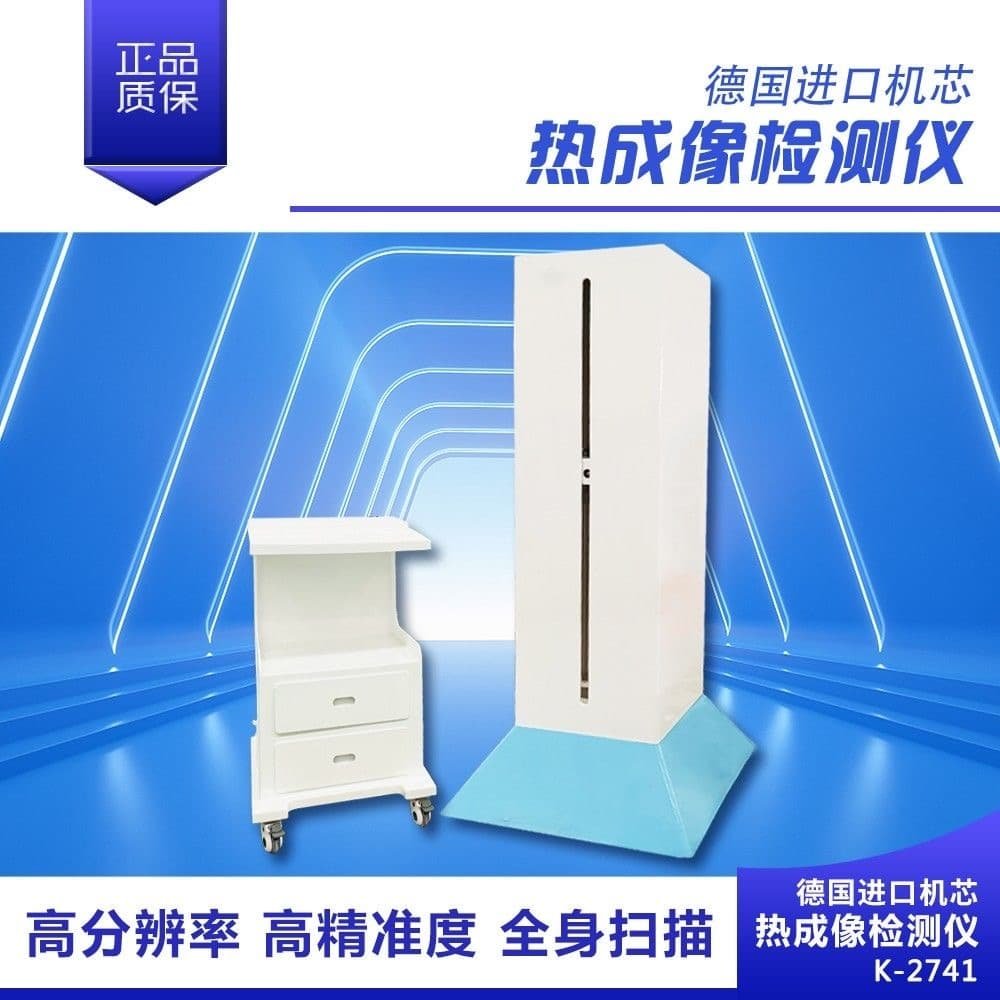
Athletes at all levels constantly seek ways to optimize performance and prevent injuries. From rigorous training regimens to specialized diets, every aspect of an athlete’s routine is designed to help them perform at their best. One tool gaining popularity among athletes and sports medicine professionals is the thermal imaging detector. This advanced device uses infrared technology to provide valuable insights into an athlete’s body, helping them train smarter, recover faster, and avoid injuries.
The thermal imaging detector works by capturing the body’s thermal patterns, which reflect underlying physiological activity like blood flow, muscle activation, and inflammation. For athletes, this means the device can identify areas under stress, overworked, or at injury risk—often before symptoms appear. By detecting these issues early, athletes can adjust training routines, seek targeted treatment, and prevent minor issues from developing into serious injuries.
One key way the thermal imaging detector helps athletes is by identifying muscle strain and inflammation. When a muscle is overused or strained, it becomes inflamed, increasing its temperature. The detector’s high sensitivity (0.01°C precision) captures this temperature rise, allowing sports medicine professionals to pinpoint the exact strain location. This information can be used to recommend targeted stretches, exercises, or therapies to reduce inflammation and promote recovery.
The device also helps athletes optimize training by identifying underactivated body areas. For example, a thermal image may reveal a muscle group receiving insufficient blood flow during exercise—indicating poor form or muscle weakness. By correcting form or strengthening weak muscle groups, athletes can improve performance and reduce injury risk.
Recovery is another area where the thermal imaging detector shines. After intense training or competition, athletes need quick recovery to perform at their best in their next event. The detector monitors thermal patterns during recovery, showing how effectively the body repairs itself. If an area isn’t recovering as expected, it may indicate the need for more rest, hydration, or targeted treatment.
The thermal imaging detector’s non-invasive nature makes it ideal for regular athlete use. Unlike MRI scans or other diagnostic tools that are expensive and time-consuming, the detector provides quick, painless scans that can be performed post-training or competition. This allows athletes to monitor their bodies regularly, ensuring they’re always aware of their physical status.
Measuring 1400mm (L) × 600mm (W) × 900mm (H), the thermal imaging detector is compact enough for training facilities, locker rooms, or even on-the-road use. Its user-friendly interface makes it easy for sports medicine professionals to operate, and detailed thermal images provide clear, actionable data for informed training and recovery decisions.
For athletes recovering from injuries, the thermal imaging detector is a valuable progress-monitoring tool. By regularly scanning injured areas, sports medicine professionals track temperature changes that indicate healing progress. This information is used to adjust recovery plans, ensuring athletes return to training safely and avoid re-injury.
The detector also helps athletes identify potential overtraining. Overtraining can lead to fatigue, decreased performance, and increased injury risk. The thermal imaging detector detects thermal pattern changes indicating overtraining—such as elevated body temperature, poor circulation, or widespread inflammation. By identifying overtraining early, athletes can adjust routines to avoid burnout and maintain optimal performance.
In addition to injury prevention and performance optimization, the thermal imaging detector aids hydration monitoring. Dehydration significantly impacts performance and increases injury risk. The detector identifies dehydrated areas, as dehydration reduces blood flow and lowers temperature. This allows athletes to stay properly hydrated, ensuring peak performance.
In conclusion, the thermal imaging detector is a powerful tool for athletes looking to optimize performance and prevent injuries. Its ability to detect early signs of strain, inflammation, and overtraining—combined with its non-invasive nature and convenience—makes it an invaluable addition to any athlete’s training and recovery routine. Whether you’re a professional athlete or a weekend warrior, the thermal imaging detector can help you train smarter, recover faster, and perform at your best.